Healthcare · Robotics Experiment Automation
Robotics Experiment Automation: Designing for a Workflow That Does Not Yet Exist
Building interfaces for researchers working at the edge of lab automation
The Client · A global health technology innovator
Overview
A global health technology innovator engaged Taller to design the user experience for its laboratory robotics workflow. The work had to serve two distinct users: the scientists who planned experiments and the technicians who ran the robot.
The Problem
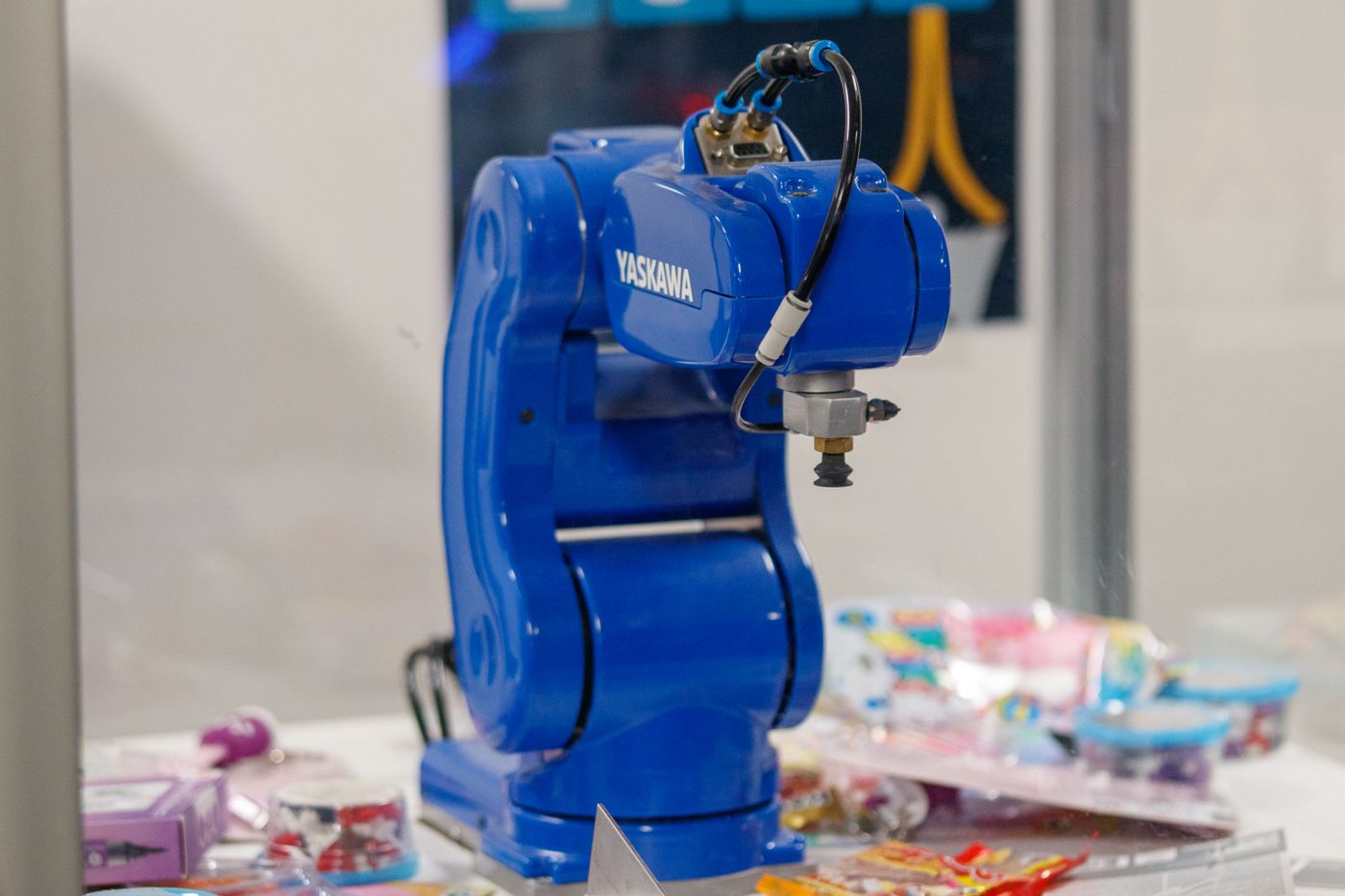
Designing software for laboratory robotics was unusual because there was no single “user” to design for. The scientist who planned an experiment approached it very differently from the technician who operated the robot, and the software had to serve both. The robot added a third set of demands: it worked within strict physical limits (reagent volumes, mixing sequences, calibration cycles) that the people using it had to accommodate, ideally without the software forcing them to slow down and manage those limits by hand. The client needed a web application that could automate the mixing of experiments and generate instructions a robot could carry out. It had to be designed from scratch, because no existing workflow modeled how these different users and constraints actually fit together.
The Solution
Taller’s UX/UI specialists ran user research first, mapping how scientists actually worked, then built wireframes and prototypes that absorbed the feedback from each round of user testing. High-fidelity Figma designs were the visible deliverable, but the lasting asset was the interaction model that held up across many lab scenarios: different reagent inventories, different experiment types, different team sizes operating the same robot. Finally, Miro, Maze, and Zeplin rounded out the research and developer-handoff tooling.
The Impact
Taller’s work produced a user-centered web app with markedly better usability for laboratory operators, and a scalable interaction model that carried forward into new workflows.